Redesigning an aid map around advocacy
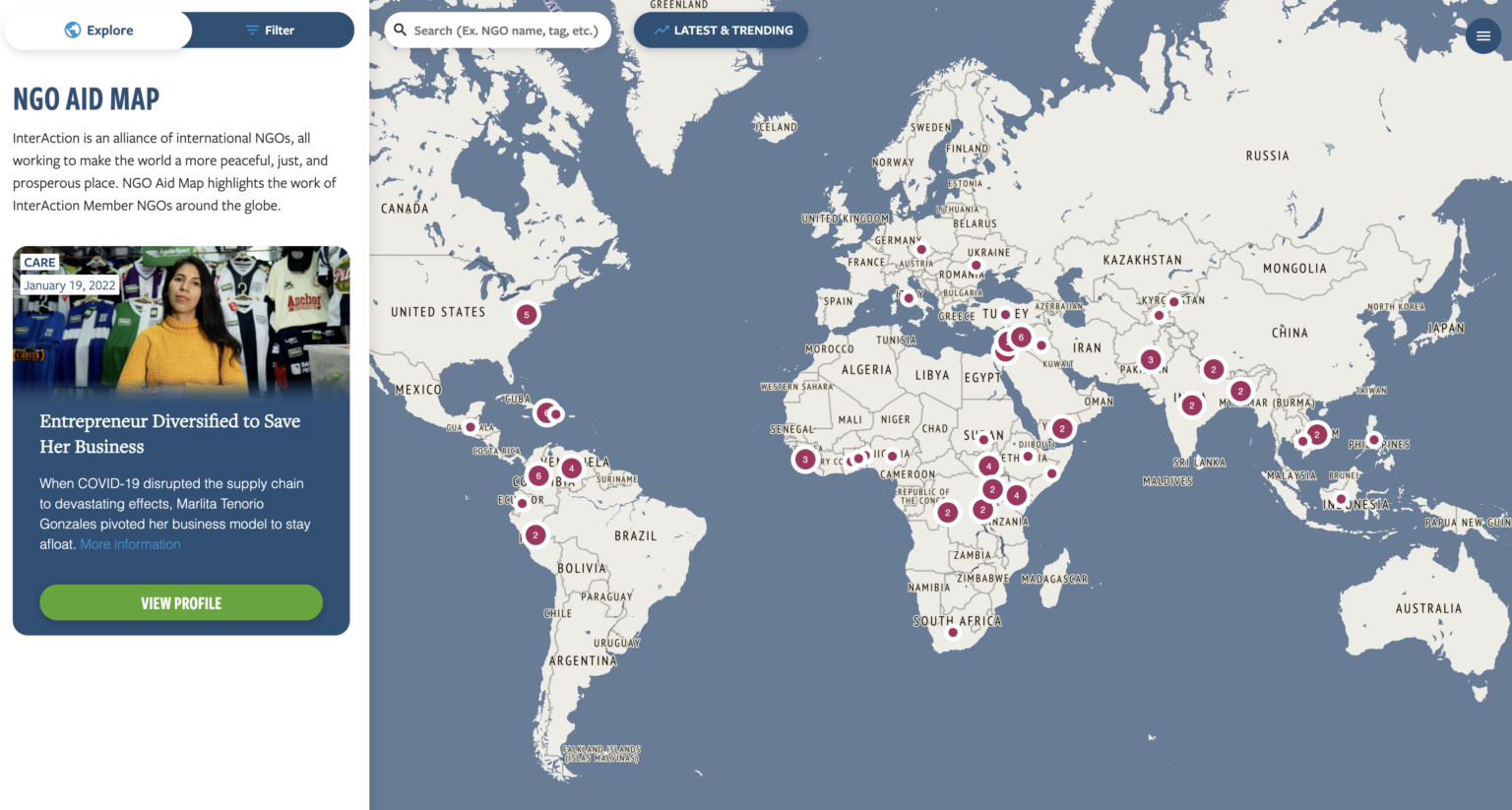
Research showed the map was solving the wrong problem. We rebuilt it around members' stories and the advocacy aimed at Congress and federal agencies.
Civic Designer, Baltimore, MD
For more than ten years I've led research with communities, program teams and staff, then turned what I learn into frameworks, tools and designs people can act on. My work spans humanitarian programs, philanthropy, universities and technology companies.
Research showed the map was solving the wrong problem. We rebuilt it around members' stories and the advocacy aimed at Congress and federal agencies.
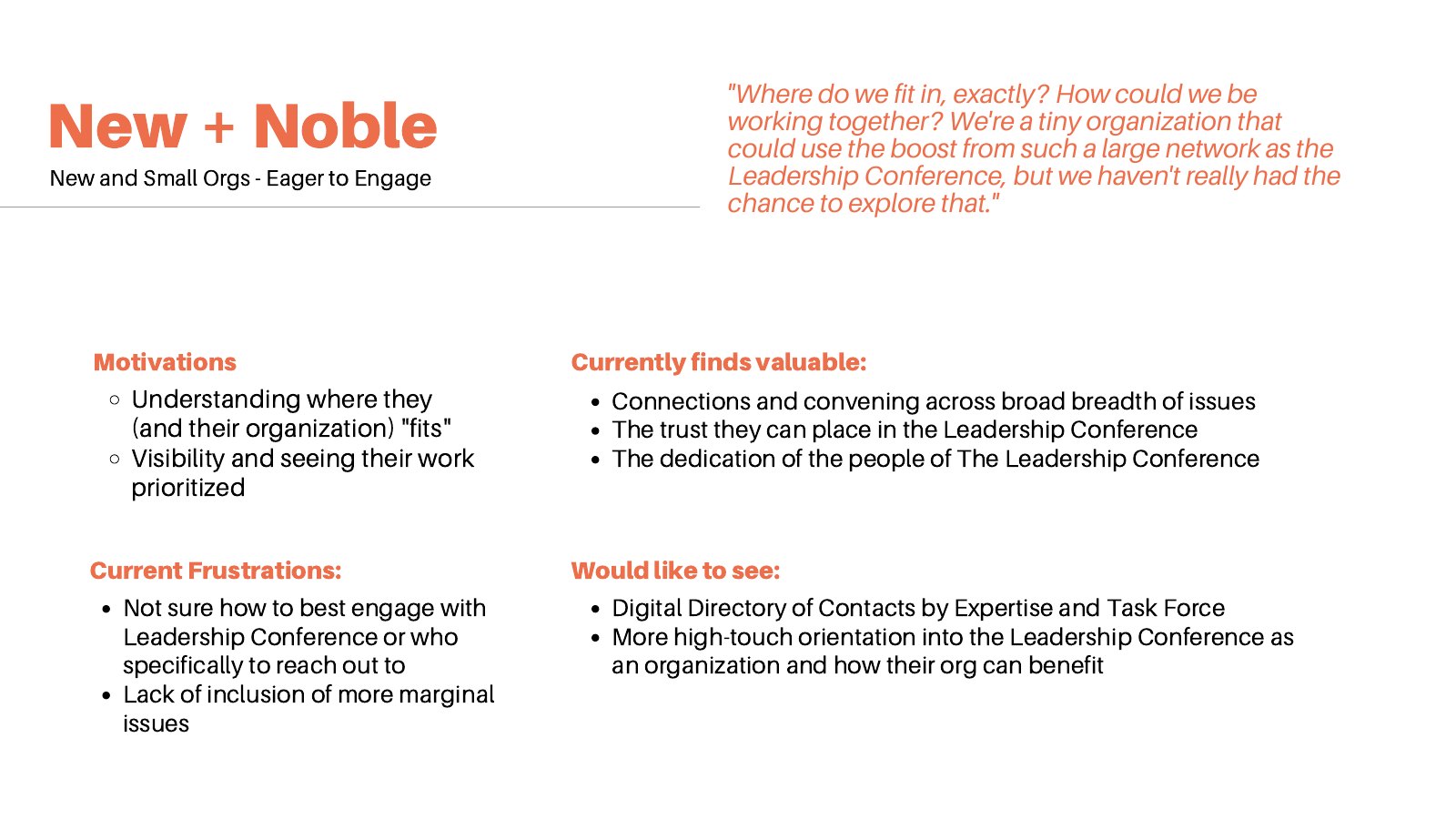
83 member survey responses and two focus groups became four personas, which I then used to facilitate an ideation workshop with the coalition team.
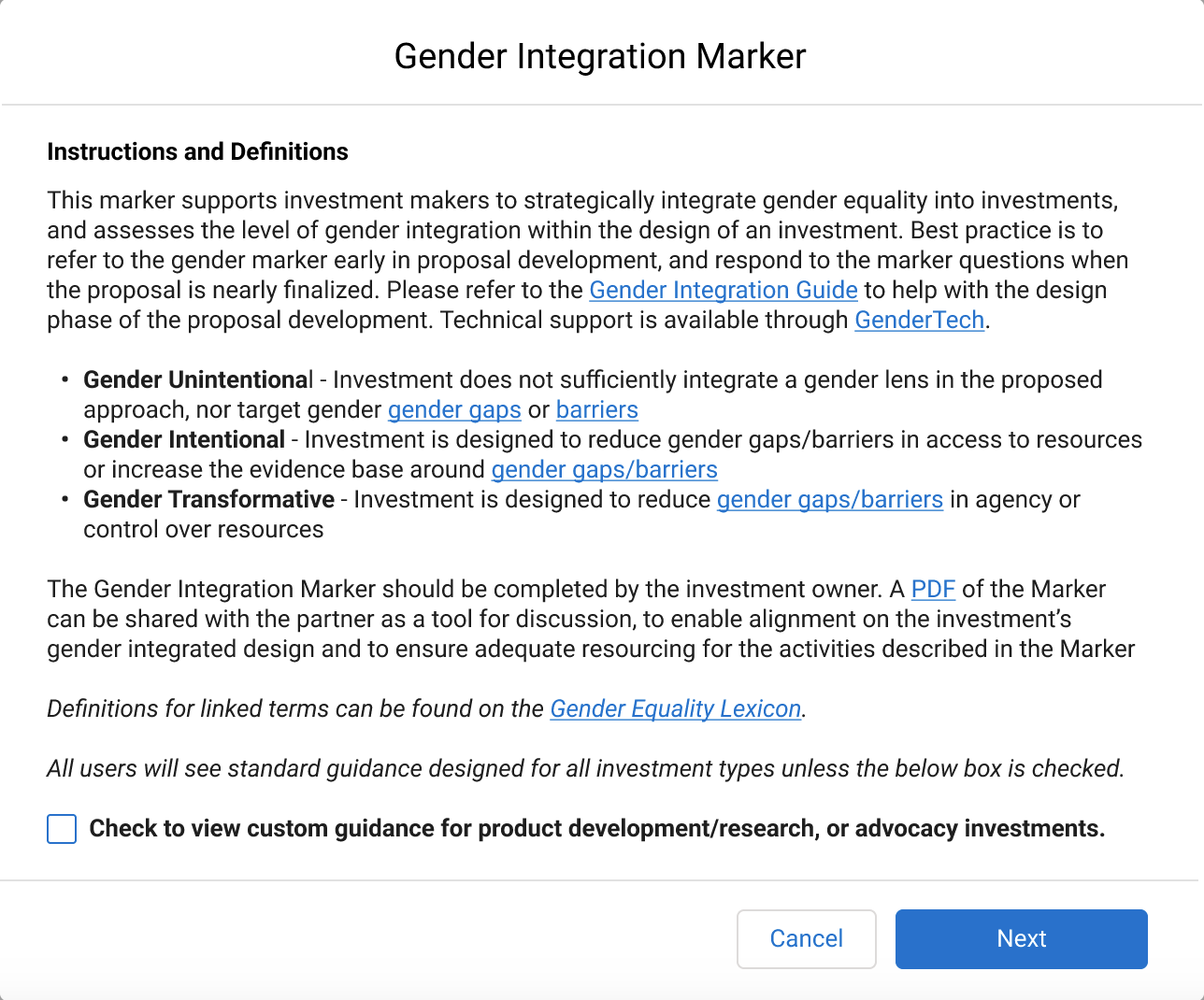
Focus groups with three user groups shaped a 17-screen flow that moved the foundation's Gender Integration Marker from a PDF into its investment software. It is now used on every project the foundation funds.
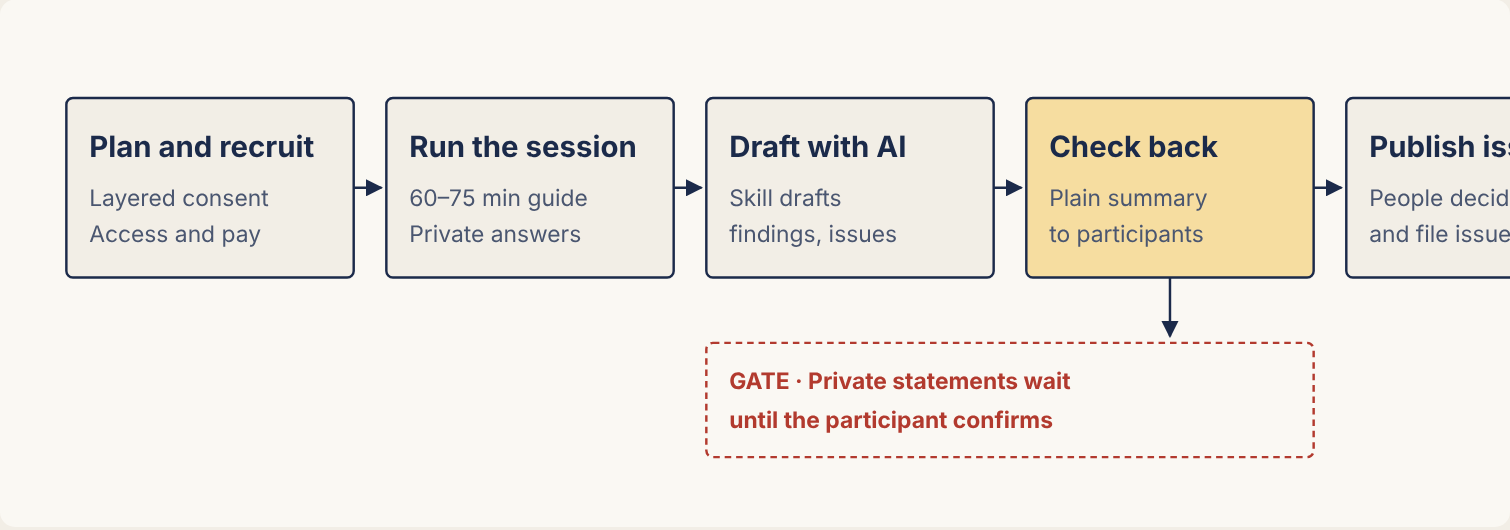
A session kit and Claude skill for paid, accessible community sessions. AI drafts the findings; participants check them before anything goes public.
Interviews in six countries, focus groups with 20 chapter leads and members, and 98 survey responses, turned into a designed report with clear recommendations for womeningh.org.
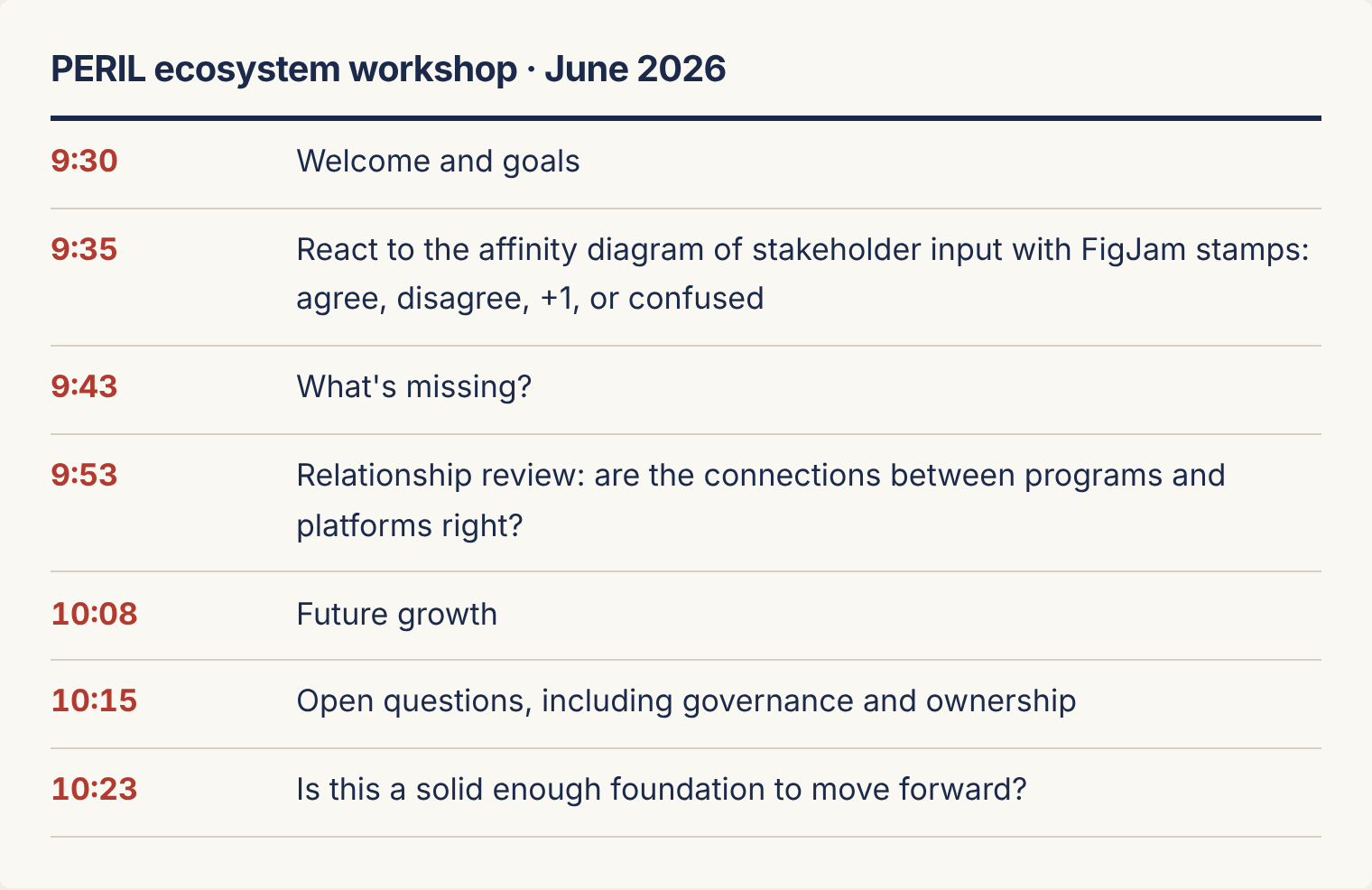
As Principal Architect, I modeled how PERIL's programs, tools and resources fit together, then ran a FigJam workshop to validate it as the base for taxonomy and search.
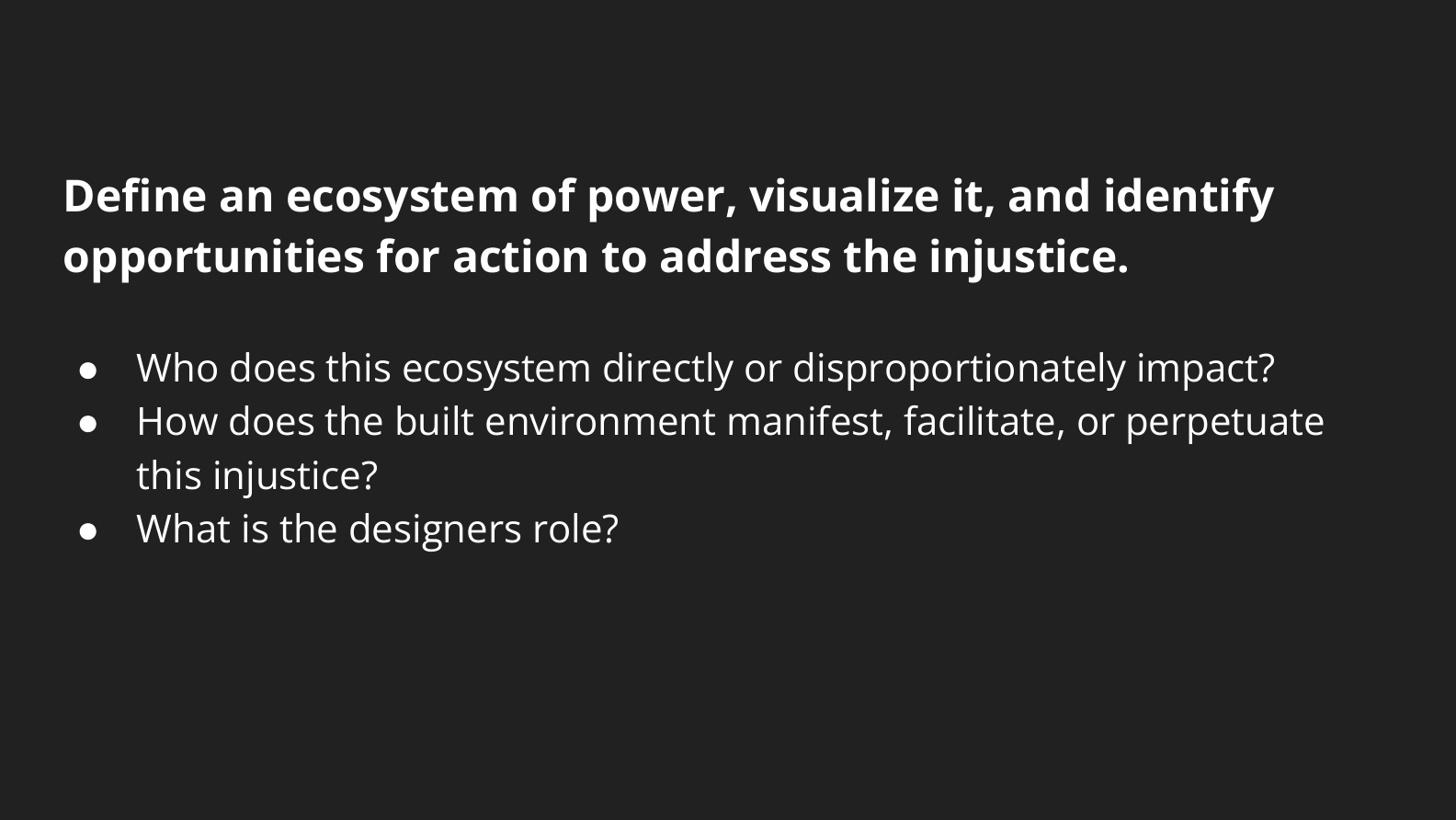
A session that moves designers from WCAG checklists to questions of power, ending in a facilitated activity where groups map an injustice and find where design can act.

I started in visual studies, with coursework in anthropology and psychology, and I still work at that intersection: watching how people actually behave, then making it visible to the people who design their services.
At Catholic Relief Services I led research for digital tools in humanitarian and development programs. That included the ReMiND prenatal care app in Uttar Pradesh, India, where I worked with low-vision and low-literacy residents and community health workers. I also designed visual storytelling for many CRS program stories, turning field research into clear, compelling narratives. Those field practices, such as layered consent and private ways to respond, still shape every study I run.
Today I run Alma Major, a behavioral insight studio, and teach graduate UX research and design leadership at the Maryland Institute College of Art.